Textiles & Interiors
Coyuchi Recycled Cotton: How Woven Texture Shapes a Room
A blanket can do more than add warmth. Its weave, finish, and nuanced color can give a room the quiet dimension that makes a carefully composed interior feel lived in.
In a calm bedroom or living room, the most compelling details are often the ones that do not announce themselves. A change in texture catches the light; a softened edge interrupts a crisp line; two shades that seemed nearly identical reveal a subtle difference when placed together. These small shifts make a space feel considered rather than merely coordinated.
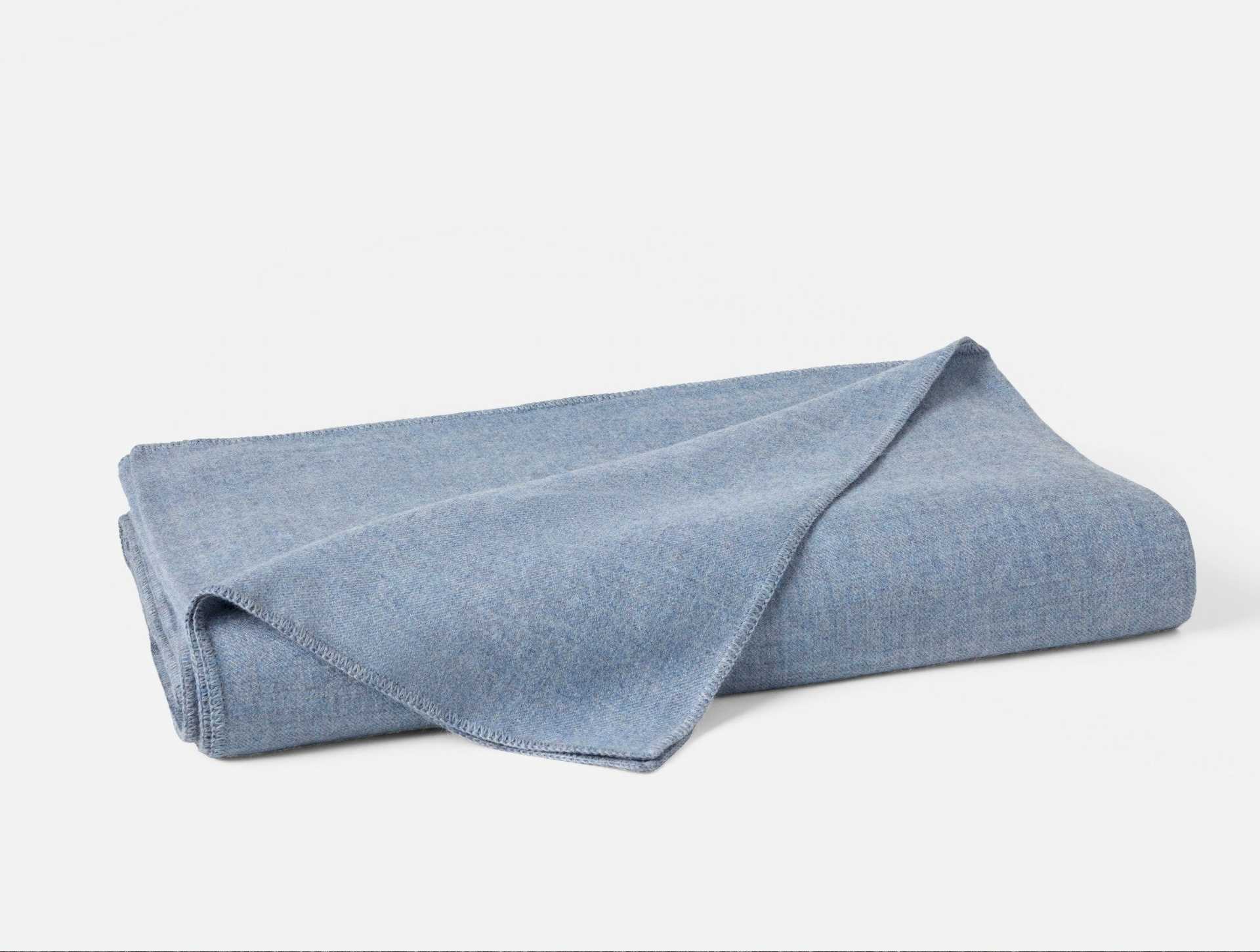
That is the appeal of a textured cotton blanket. In the Coyuchi Full Circle Recycled Cotton Blanket, recycled and organically grown cotton come together in a woven surface with a brushed finish. The yarns’ color variations lend the blanket a sense of depth, while its tactile quality gives a bed, sofa, or reading chair an inviting point of contrast. It is a useful example of how fiber, construction, and finish can shape a room as much as color or silhouette.
Understanding those qualities helps you place a blanket with intention. Rather than treating it as an afterthought to be folded wherever space allows, consider how its pattern, tone, and hand relate to the furnishings around it. The result need not be elaborate. Often, one thoughtfully chosen layer is enough to bring a room into focus.
Why texture changes the atmosphere
Interior texture is the language of surfaces. Smooth cotton sheets, a matte painted wall, polished wood, and a woven blanket each reflect and absorb light differently. When a room relies on a narrow palette, that variation becomes especially important: it prevents a restrained scheme from feeling flat.
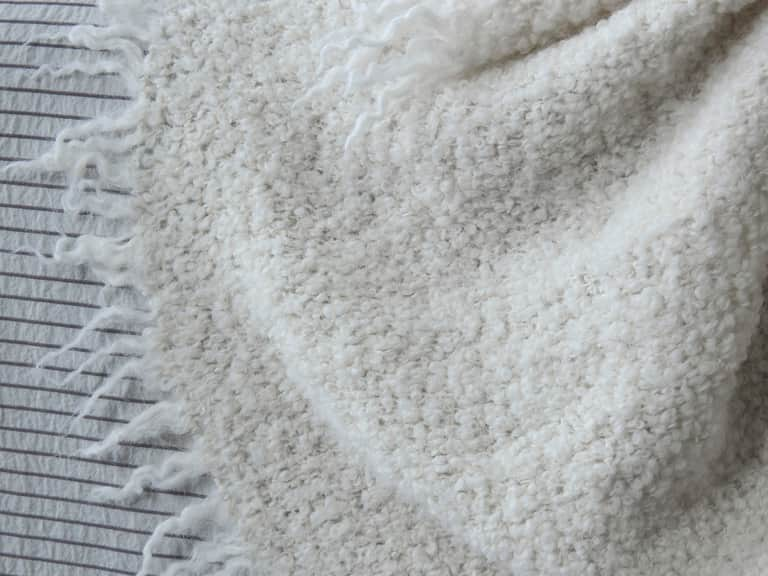
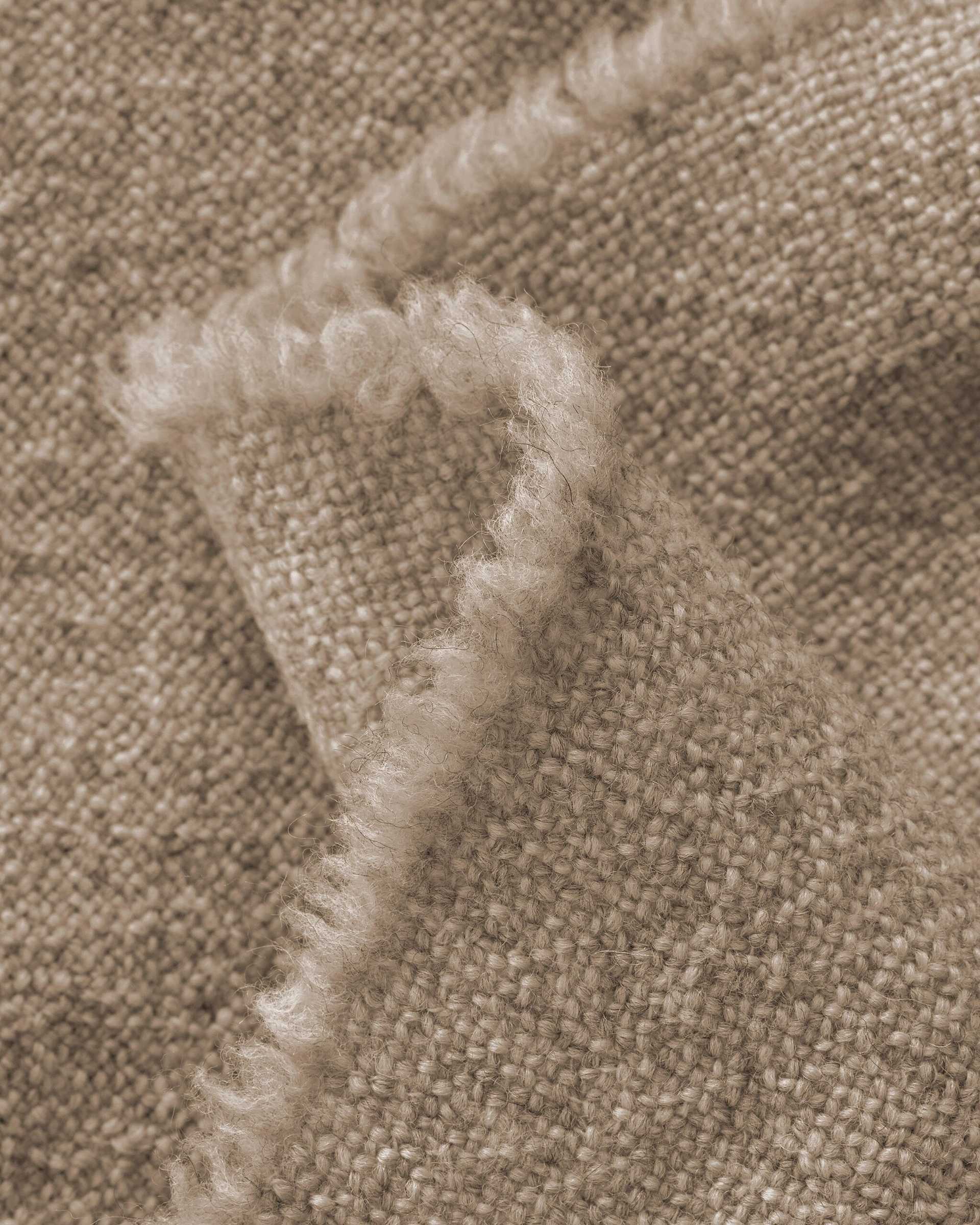
A woven textile introduces structure without adding another strong color or pattern. From across the room, its effect may read as a gentle tonal shift. Up close, the eye notices the interlacing threads, the irregularities in the yarn, and the softness of the finished surface. This interplay between distance and detail is part of what makes natural-looking textiles so enduring in home decor.
Brushing can make that surface feel softer and visually less formal. It slightly lifts the fibers, diffusing sharp contrasts and giving the textile a mellow, lived-in appearance. On a bed layered with smooth sheets and a neatly finished duvet, a brushed blanket adds a more relaxed counterpoint. On a sofa with clean-lined upholstery, it can soften the overall impression without changing the room’s underlying style.
Texture is also a practical design tool. A light-colored blanket with a visible weave can give a pale room definition without relying on a dark accent. A deeper, heathered tone can introduce richness while remaining quieter than a high-contrast print. In either case, the surface contributes visual interest while allowing the rest of the room to breathe.
Recycled cotton and the character of color
Recycled cotton gives textile makers another way to put existing fibers back into circulation. In the Full Circle blanket, the stated composition is 52 percent recycled cotton from Coyuchi’s 2nd Home program and 48 percent organically grown cotton. The recycled yarns contribute distinctive color variations, while the woven construction brings those variations together in an intricate surface.
That variation is not a flaw to conceal. It is part of the textile’s character. Reclaimed fibers may carry different tones, and once woven together, those subtle differences can create a heathered or softly mottled effect. Instead of the perfectly uniform appearance of a single flat shade, the surface has a gentle visual rhythm—one that can echo the tonal complexity found in wood grain, stone, or handmade ceramics.
In a room, this kind of color variation is often easier to live with than a rigidly solid tone. It can bridge nearby shades: warm white bedding, a natural wood headboard, and a muted green wall, for example. Because the blanket contains several closely related tonal notes, it can feel connected to the room without matching every element exactly.
When considering recycled cotton textiles, look beyond the color name. Ask how the shade appears in different light and whether the weave creates visible variation. A fabric that seems nearly uniform in a product description may read as more dimensional in daylight. By contrast, in a softly lit room, its woven pattern may become quieter and more atmospheric. Neither effect is inherently better; the right choice depends on the mood you want and the colors already in place.
A practical guide to reading the fabric
Fiber content tells you what a textile is made from, but it does not tell the whole story. Weave, finishing, weight, and care instructions all influence the way a blanket feels and performs. Read them together, and you gain a clearer sense of how a piece might fit into daily life.
- Fiber content: Check the stated proportions rather than relying on a general label such as “recycled.” For the Full Circle blanket, recycled cotton is blended with organically grown cotton.
- Construction: A woven blanket is built from interlaced yarns. The pattern and density of that weave help determine its appearance, drape, and surface texture.
- Finish: A brushed finish is intended to add softness to the surface. It can also make woven color and pattern feel less sharply defined.
- Color variation: Differences in yarn tone can create a more nuanced field of color. Consider whether that subtle irregularity will complement or compete with nearby patterns.
- Care: Follow the specific label. The Full Circle blanket’s listed care is a cold wash on a gentle cycle with like colors, followed by low tumble drying and prompt removal.
These details are useful because similar-looking blankets can behave differently. A tightly woven cotton layer may sit neatly across a bed, while a softer, brushed surface may look more relaxed. A patterned weave can be a focal point in an otherwise simple room, but it may feel busy when combined with several other prominent patterns. The point is not to apply strict rules; it is to understand what the fabric is likely to contribute.
Styling a textured blanket in the bedroom
On a bed, a blanket can define the transition between sleeping layers and the room itself. Fold it across the foot of the bed for a composed, architectural line, or draw it back more loosely for a less formal mood. The first approach emphasizes the blanket as a deliberate accent. The second makes the space feel more immediate and personal.
Consider the bedding beneath it. Smooth cotton or linen sheets bring out the contrast of a brushed weave. A quilt or coverlet with a raised pattern may create a richer arrangement, but keep the surrounding palette restrained so each texture has room to register. Repeating one of the blanket’s tones in a cushion, bedside object, or nearby artwork can help the layer feel connected to the wider scheme.
Scale matters, too. A blanket that covers only the lower portion of the bed reads as an accent; a larger layer can become part of the bed’s main composition. If the textile is intended to sit folded, allow enough width for a clean drape on both sides. If it will be used every day, place it where it can be reached easily rather than arranging it so precisely that touching it feels like a disruption.
For a neutral bedroom, use tonal contrast instead of sharp opposition. A warm ivory blanket can sit against cooler white sheets, while a soft gray or earth-toned weave can add definition to pale bedding. The difference may be subtle, but that is precisely what keeps a serene scheme from becoming one-dimensional.
Giving a living room a softer finish
In the living room, a throw often moves between being a useful layer and a styling element. Draped over the arm of a sofa, it adds a relaxed line and breaks up a broad expanse of upholstery. Folded over the back of a chair, it can make a reading corner feel ready for use. Placed in a basket, it becomes an accessible part of the room’s everyday rhythm.
Think about what the blanket is sitting beside. A brushed woven surface can temper the smoothness of leather or tightly tailored upholstery. Against a textured sofa, it may be more effective to keep the blanket’s color close to the upholstery and let the weave provide the interest. With a plain sofa, a more visibly varied textile can create a gentle focal point without the commitment of a bold print.
There is no need to arrange every fold. A precise drape may suit a formal sitting room, but a casually placed blanket often feels more natural in spaces intended for conversation and rest. Let the textile’s edge, fringe if present, or subtle color shifts remain visible. Its appeal lies partly in the sense that it belongs to the room because it is used there.
Building a calm, natural palette
A natural interior does not have to be all beige, nor does it need to rely on a collection of materials that look alike. The more successful approach is often to vary temperature, finish, and scale within a related palette. Pair a soft gray blanket with creamy bedding and warm wood, or set a muted earth tone against chalky walls and a darker accent chair.
Recycled cotton’s tonal variation can help with this kind of layering. Instead of introducing a new, emphatic hue, it can bring together colors that already appear in the room. Look for small echoes: the warmth of a wood floor, the coolness of a ceramic lamp, or a faint color in a patterned cushion. A textile does not have to match those elements precisely to feel harmonious with them.
Pattern should be considered in proportion to the room. A woven texture is still a pattern, even if it is subtle. If the space already includes a graphic rug or printed curtains, choose a blanket whose design reads quietly at a distance. In a room with mostly solid surfaces, a more intricate weave can add interest while keeping the overall effect restful.
Care that respects the weave
Textile care begins with the manufacturer’s instructions. For the Full Circle blanket, the listed guidance is to wash in cold water on a gentle cycle with like colors, tumble dry on low, and remove promptly. Following those directions is the most dependable way to care for the particular construction and finish of the blanket.
Gentle laundering is especially sensible when a textile has a brushed surface or visible tonal variation. Avoid adding unnecessary heat or agitation, and do not assume that every cotton blanket can be treated in exactly the same way. Read the care label before washing, especially if the blanket has decorative edges, a specialized finish, or a blend of fibers.
Between washes, keep the blanket clean by storing it in a dry, well-ventilated place when it is not in use. If it is used often, shake it out and refold it from time to time rather than leaving it compressed in the same position. These simple habits help maintain a tidy appearance and make the textile easy to bring back into the room.
Care is part of a textile’s design story because it determines how readily a piece can fit into everyday routines. A blanket that asks for a particular method of washing may still be well suited to your home; what matters is knowing what that method involves and deciding whether it works for the way you live.
Texture as a quiet design decision
The Full Circle Recycled Cotton Blanket illustrates how a relatively simple layer can bring several kinds of interest into a room. Its fiber blend speaks to material choice, its woven construction creates structure, its brushed finish softens the surface, and its tonal variation gives color a less uniform character. None of those qualities needs to dominate the interior. Together, they can make a restrained space feel more layered and welcoming.
When choosing or styling a blanket, begin with the room rather than a trend. Notice which surfaces feel too smooth, where a color transition could be gentler, and whether the bed or sofa needs a practical layer that also contributes to the overall composition. Then consider fiber, weave, finish, and care as related questions, not isolated specifications.
Good textile design rewards attention without demanding it. A woven blanket can be the detail that catches the eye, or it can quietly support everything around it. Either way, the effect is less about making a room look finished than about making its layers feel naturally at home.